
By Matt Levin, CalMatters
[soundcloud url=”https://api.soundcloud.com/tracks/653128682″ params=”color=ff5500&hide_related=true&show_comments=false” width=”100%” height=”166″ iframe=”true” /]Please subscribe to the Gimme Shelter podcast on Apple Podcasts, Stitcher, Soundcloud, Google Play, Spotify or Overcast
California was lucky. Again.
The major earthquakes that rattled the Mojave Desert town of Ridgecrest earlier this month-—a magnitude 6.4 temblor on July 4th followed a few days later by a whopping 7.1 quake felt throughout Southern California—were far from major population centers. Damage to people and property was relatively minimal. Even Ridgecrest itself, with most if its single-family housing constructed under updated building codes, surprised earthquake engineers by emerging from the twin quakes with scrapes and bruises but no serious devastation.
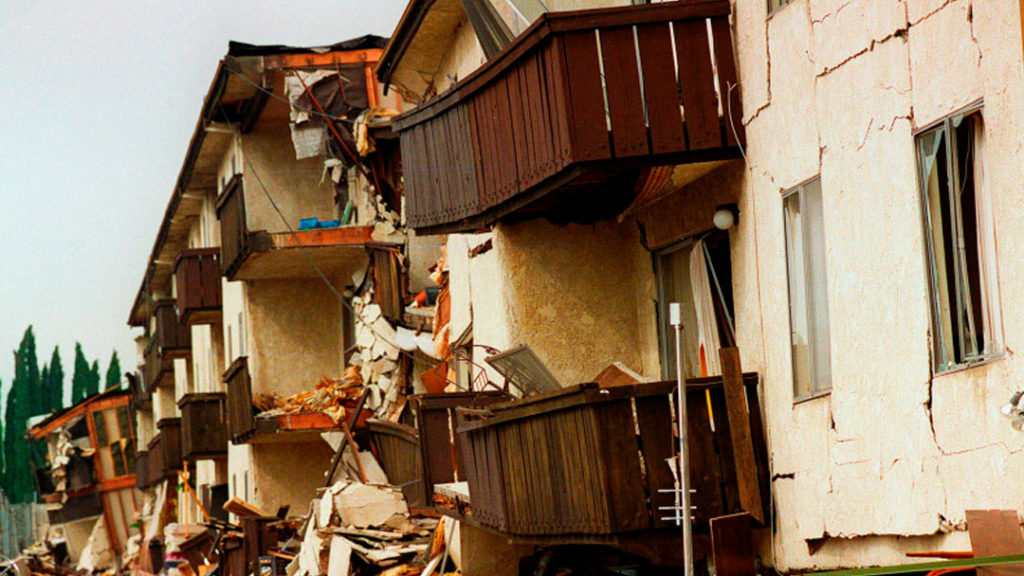
For the past quarter-century, dozens of earthquakes in more remote parts of the state have stirred the low-level anxiety that Californians closer to the coast have lived with since the 1989 Loma Prieta quake collapsed a segment of the Bay Bridge, and the 1994 Northridge…
